What to Do If You’re a Toxic Handler
Recognize the Signs and Assess the Toll 🚨
When challenging colleagues create emotional turbulence in the workplace, some people naturally become the unofficial therapist, mediator, and emotional support system for their team. If you find that others consistently turn to you for help with difficult dynamics, you may be what researchers Sandra L. Robinson and Kira Schabram, authors featured in the HBR Guide to Emotional Intelligence, call a toxic handler—someone who voluntarily shoulders the sadness, frustration, bitterness, and anger that are endemic to organizational life.
Toxic handlers can be found at all levels of an organization, not just in management. They often play a vital but unrecognized role in maintaining a positive and productive environment. Here’s what toxic handlers typically do:
| What Toxic Handlers Do | Potential Personal Costs |
|---|---|
| Carry others’ confidences and concerns | High stress and emotional strain |
| Suggest solutions to interpersonal issues | Negative impacts on physical health |
| Work behind the scenes to prevent pain or conflict | Career progression may suffer |
| Reframe difficult messages constructively | Risk of burnout and reduced effectiveness |
| Absorb negativity so others can focus on work | Efforts often go unrecognized |
To determine if you are a toxic handler, reflect on your workplace experiences. Ask yourself if you recognize these patterns:
- Colleagues often come to you with their worries or problems.
- You spend significant time listening, advising, or mediating.
- You find it hard to say “no” when asked for support.
- You manage office politics or feel compelled to protect others.
If several of these sound familiar, you may be taking on the role of a toxic handler.
While being a toxic handler means you likely possess valuable emotional strengths and are a trusted source of support, it can also lead to taking on extra work without recognition and feeling emotionally depleted. It’s important to assess the personal toll by watching for signs of burnout, such as insomnia, frequent illness, irritability, or trouble concentrating. If you notice these symptoms, or if others point out changes in your behavior, it may be time to reconsider how much you take on. Remember, you only need to make changes if the role is negatively affecting your well-being; otherwise, simply stay aware and monitor for warning signs.
Set Healthy Boundaries with Empathy ❤️
Setting boundaries as a toxic handler requires a delicate balance. You want to protect yourself while still honoring your empathetic nature, but it’s important to remember that helping strategically is more valuable than trying to help everyone all the time. Focus on where your support will have the greatest impact, rather than spreading yourself too thin. Start by picking your battles carefully. Ask yourself where your involvement truly makes a difference, and recognize that some colleagues will be fine without your help or may not benefit from your efforts. Stepping away from these situations preserves your energy for the moments and people where you can be most effective.
Learning to say "no" is perhaps the most challenging skill for toxic handlers to develop, but it's absolutely essential. When you must decline, convey empathy first—make it clear that you feel for your colleague in their pain and that you're not denying they're having a legitimate emotional response. Then explain that you're currently not in a position to be most helpful to them right now and, to the extent you're comfortable, share the reasons why. Most importantly, consider alternative sources of support. You might refer your colleague to another person in the organization or someone having a similar experience so they can provide mutual support to one another. Additionally, suggesting an article, book, or other resource on the topic can be helpful, or if you know from experience that the person is good at coming up with creative solutions themselves, simply offer them encouragement to do so.
Here's how this approach might sound in practice:
- Ryan: Hey Nova, do you have a minute? I need to talk about that meeting with leadership.
- Nova: I can see you’re upset, and I get why. I wish I could help, but I’m swamped with deadlines this week and can’t give you the time you deserve.
- Ryan: Okay, I understand. I just feel like you always help me see things clearly.
- Nova: Have you talked to Dan? He felt the same way after that meeting. Maybe you two could connect. And that article on managing up I sent might help too.
Notice how Nova acknowledged Ryan's feelings first, explained her limitations honestly, and then provided two alternative sources of support. This maintains the caring relationship while protecting her own bandwidth.
Letting go of guilt is crucial for maintaining boundaries effectively. Recognize that conflicts are often best solved by the people directly involved. If you keep stepping in, you may actually prevent others from developing the skills they need to handle issues on their own. Ask yourself if you’re truly the only one who can help, and consider enlisting trusted colleagues to share the load. Remember, your time and energy are limited and saying yes to one more person means doing less for others or for your own work. This isn’t selfish; it’s smart resource management that helps you support others sustainably.
Adopt Sustainable Coping Practices 🌿
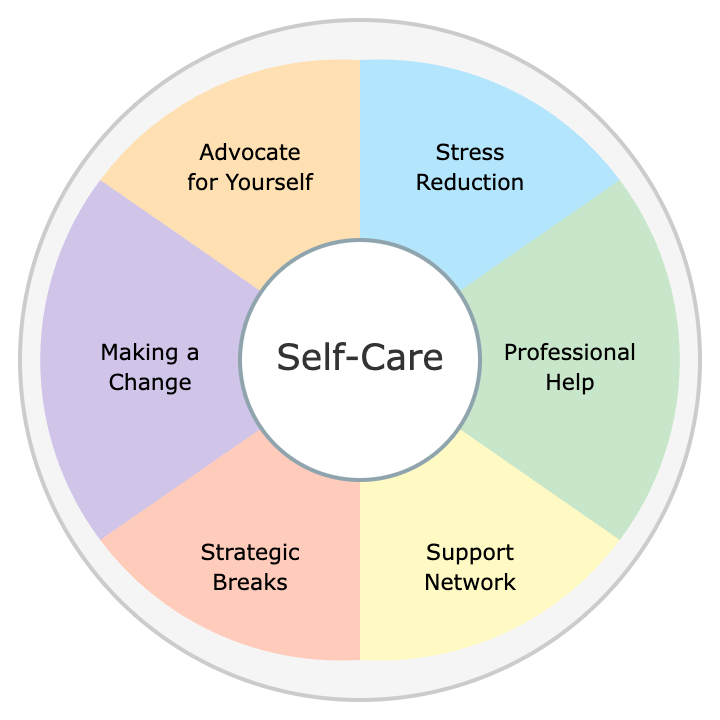
To make your role as a toxic handler sustainable, focus on a few key coping practices that protect your well-being:
- Stress reduction basics: Use proven methods like meditation, exercise, getting enough sleep, and eating well. If you struggle to prioritize self-care, remind yourself that taking care of your own health helps you support others more effectively.
- Build a support network: Connect with others who understand what you’re experiencing, whether they’re in similar roles or facing the same challenges. This could be a trusted colleague to talk to or a small group that meets regularly. Keep these conversations focused on solutions rather than just venting, so they remain helpful and don’t add to your stress.
- Take strategic breaks: Give yourself permission to step back when needed. This might mean closing your door for a few hours, taking a mental health day, or even temporarily shifting responsibilities if possible. These breaks help you recover and prevent burnout.
If these steps aren’t enough, consider making a more permanent change, such as moving to a different role or team. Professional therapy can also be a valuable resource, helping you manage stress, set boundaries, and avoid taking on others’ emotions. Remember, organizations often overlook the emotional labor of toxic handlers, so it’s important to advocate for your own needs and practice self-care to ensure you can continue supporting others in a healthy, sustainable way.
Toxic handlers are critical to the emotional well-being of organizations and the people in them. If you recognize yourself in this role, learning to monitor yourself for signs of emotional or physical fatigue—and knowing how to step away when you need to—ensures you can keep doing what you do best in a sustainable way. Ready to put these concepts into practice? The upcoming activities will help you recognize the signs of being a toxic handler, practice setting boundaries with empathy, and develop sustainable coping strategies that allow you to continue supporting others while protecting your own well-being.
