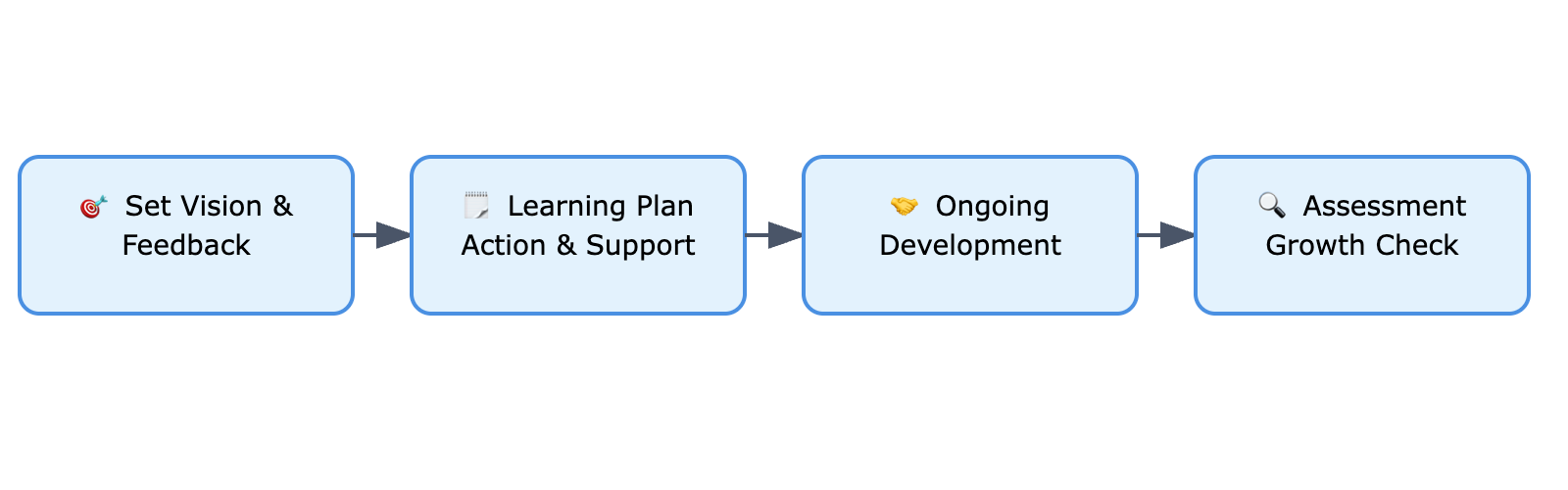
How to Help Someone Develop Emotional Intelligence
Shift Your Approach 🔄
Developing the emotional intelligence of those around you is one of the most challenging yet rewarding aspects you can do as a leader. This requires you to move beyond simply managing performance to truly coaching human development. According to Annie McKee in the HBR Guide to Emotional Intelligence, developing emotional intelligence in others is challenging because it is tied to deep psychological development and neural pathways formed over a lifetime. These competencies are embedded in our brains, making it difficult to change long-standing habits of interaction, especially core skills like self-awareness and emotional self-control. Change is only possible when someone genuinely wants to grow in this area.
This reality stands in contrast to traditional management approaches, which often assume that people will change their behavior simply because someone in authority tells them to. In practice, people rarely sustain meaningful change when offered incentives like better assignments or offices. When faced with threats or punishment, they often become resistant and may even act out. The common carrot-and-stick methods of performance management are fundamentally flawed, yet they remain widespread—even in innovative organizations.
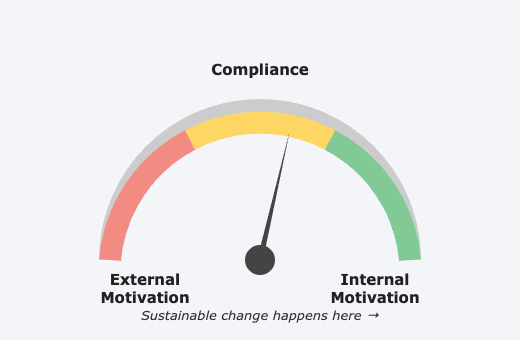
What does work is a fundamentally different approach: helping people identify a deeply personal vision for their future, and then supporting them as they recognize how their current behaviors may need to change to achieve that vision. This requires a shift from managing to coaching, which transforms how you interact with your team.
Uncover Vision and Assess Reality 🕵️♀️
The journey of developing emotional intelligence begins with helping someone uncover what truly matters to them—not just at work, but in life. Before focusing on job-related goals, encourage your team member to imagine a future where they have strong, positive relationships with family, friends, and colleagues. This process can feel more personal than typical workplace conversations, but meaningful, lasting change is fueled by deeply personal motivations. When people see how building empathy or self-awareness can help them become the kind of parent, partner, or friend they want to be, they tap into a level of motivation that external rewards simply can't match.
In practice, instead of telling someone to improve a skill for the sake of performance, invite them to reflect on the kind of leader and person they want to become. Ask about their vision of success in life and the relationships they hope to build. As they share, listen for connections between their aspirations and the emotional intelligence skills that will help them get there. For example, if someone wants to be remembered as a mentor who develops others, you can help them see how empathy and emotional awareness are essential to achieving that goal.
Here's how this shift from traditional performance management to vision-based coaching might unfold:
- Emily: Tom, your team has shared that they sometimes feel you don’t fully understand their challenges. Before we get into that, where do you see yourself in five years?
- Tom: I’d like to lead a bigger team, maybe run my own department. I want to be the kind of leader people remember.
- Emily: What do you want to be remembered for?
- Tom: For developing talent—like my old manager did for me.
- Emily: If developing others is important to you, how might understanding their challenges help you reach that goal?
- Tom: I see your point. If I don’t understand what they’re going through, I can’t really help them grow.
Notice how Emily doesn't start with the performance issue but instead explores Tom's deeper aspirations. By connecting the feedback about lacking empathy to his personal vision of being a talent developer, she creates intrinsic motivation for change that no performance improvement plan could match.
Once someone has a clear and meaningful vision, they are more open to honest feedback about their current emotional intelligence. To get a complete picture, combine both structured tools—like emotional intelligence assessments—with informal observations and feedback from colleagues. Pay attention to how the person interacts under stress, reads group dynamics, and responds to others’ needs. Ask for specific examples from peers, such as times when the person handled a tense situation well or how they respond to criticism, rather than relying on vague ratings.
When sharing feedback, it’s important to focus on growth. Present feedback as useful information for achieving their personal vision, not as criticism. This approach helps people see feedback as a resource for reaching their goals, making them more likely to engage in genuine development.