How to Manage Your Emotional Culture
Focus on Emotional Culture at Work 💡
Most leaders focus on cognitive culture, which is what their team thinks (such as values, goals, and strategies). But, just as important, is emotional culture: the shared understanding of which emotions are acceptable in the workplace, which are discouraged, and how people are expected to express their feelings.
Why does this matter? Because emotions drive behavior. You can say you value innovation, but if your team feels anxious or afraid, nobody will take risks. Research by Sigal Barsade and Olivia O’Neill, as described in the HBR Guide to Emotional Intelligence, shows that emotional culture impacts everything from job satisfaction and teamwork to performance and retention. Yet, many managers ignore it, thinking emotions are too “soft” or out of their control.
Here’s a quick way to spot the difference:
-
Cognitive culture: This is what your team says it values and aims for—like creativity, customer service, or efficiency. For example, a team might state, "We value creativity and customer service," and set goals or strategies around those ideas.
-
Emotional culture: This is about how your team actually feels day to day, and what emotions are encouraged or discouraged. For example, people might say, "It feels safe to share wild ideas here," or notice, "People seem tense and guarded." These feelings shape whether team members are open, cautious, joyful, or anxious at work.
Here’s how this disconnect can show up in a team:
- Meredith: We keep saying we want innovation, but everyone seemed nervous in yesterday’s brainstorm.
- Milo: Yeah, the vibe was cautious, not creative.
- Meredith: That’s the gap between what we say (cognitive) and what we feel (emotional). We need to make risk-taking feel safe.
- Milo: Tomorrow, I’ll share a wild idea first then. Even if it flops! Let’s celebrate bold thinking, not just safe answers.
This conversation highlights how a team’s stated values can clash with the actual emotional climate. When leaders and team members notice this gap and take steps to encourage the right emotions, like making risk-taking feel safe, they help align emotional culture with business goals. Even small actions, such as celebrating bold ideas or recognizing moments of joy, can shift the emotional culture and support better outcomes.
Shape Emotional Culture 🎨
You can’t dictate how people feel, but you can help shape the emotional climate. Here are three practical ways:
-
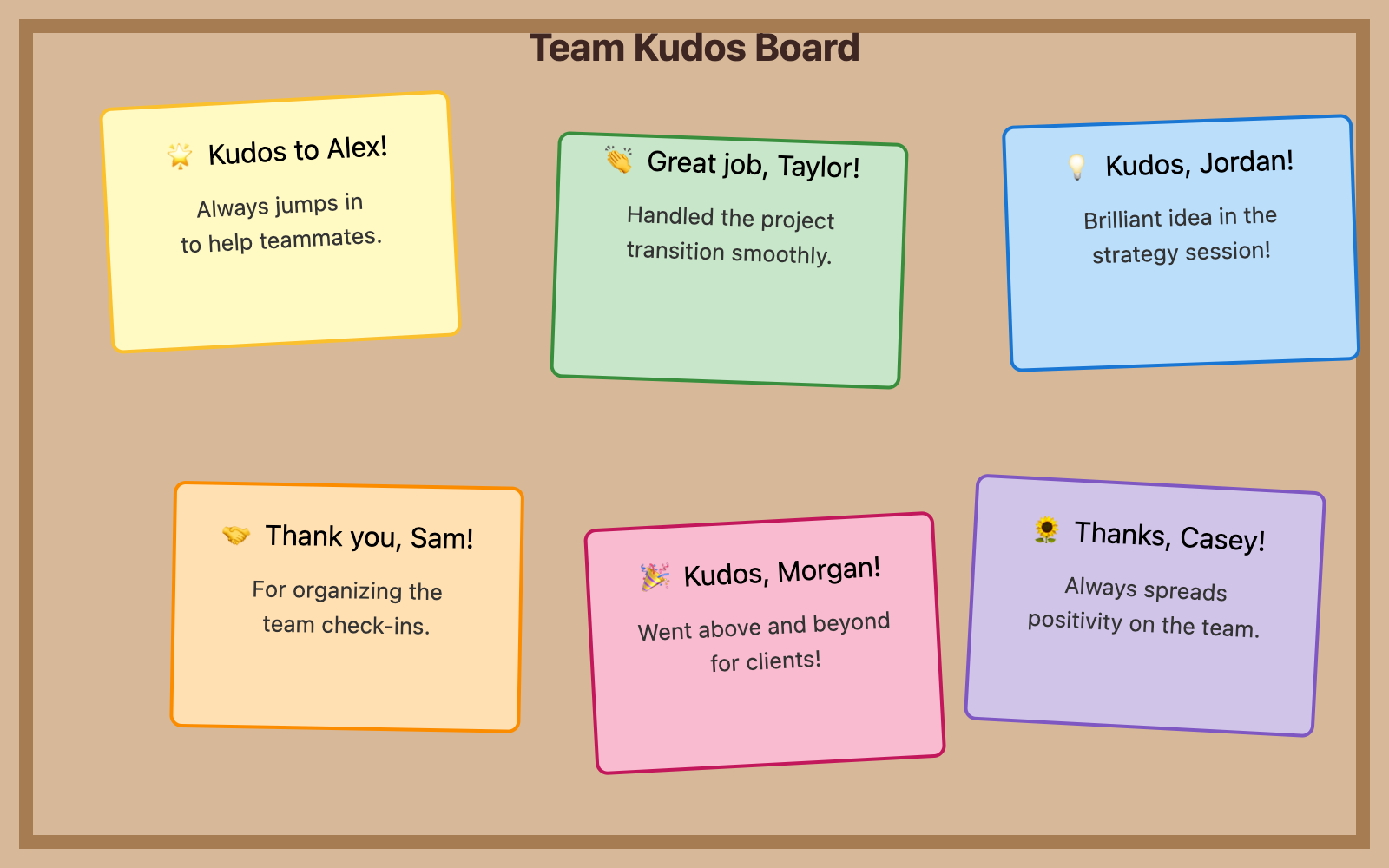
Spot and Nudge Natural Emotions: Notice when people already show the feelings you want—like excitement, gratitude, or compassion. Reinforce these moments. For example, set up a kudos board, or start meetings with quick check-ins. If negative emotions (like fear or frustration) are taking over, don’t just tell people to "cheer up." Instead, make space for concerns, then help the team reframe challenges together.
-
Model the Emotions You Want: Emotions are contagious. If you show up with genuine energy, optimism, or care, your team will pick up on it. The reverse is also true—if you’re stressed or irritable, that spreads fast.
-
Encourage Genuine Emotional Shifts (Not Just Surface Acting): Sometimes, people start by "acting" the emotions a situation calls for—like showing appreciation or calm, even if they’re not fully feeling it yet. But over time, the aim is to help those emotions become real and authentic. For example, if a manager feels frustrated by a last-minute request, they can pause, reflect, and try to genuinely empathize before responding. This approach leads to more authentic interactions and a healthier emotional culture than simply putting on a mask.
These methods reinforce each other. When leaders model the right emotions and recognize them in others, the culture shifts from the inside out.
Make Emotional Culture Stick in Real Life 🔗
To make emotional culture last, it has to go beyond individual behavior and become part of how your team works every day. Start by embedding it in routines: add emotional check-ins to meetings, celebrate wins (big or small), and create rituals that reinforce the feelings you want. You can also align emotional culture with your processes. For example, a marketing team might include "collaboration" as a formal part of performance reviews, rating employees on how well they support and uplift their teammates, not just on hitting targets. Finally, design for emotion in your environment. The way you set up your workspace, the communication tools you use, and even how you handle tough moments all send emotional signals. For instance, a tech startup might give departing team members a chance to share memories and say real goodbyes, showing care and respect even during transitions.
Remember, different teams might need different emotional cultures. What works for a creative team might not fit an emergency response unit. The key is to be intentional: decide which emotions will help your team succeed, then model, reinforce, and build them into your daily practices.
By paying attention to emotional culture and intentionally shaping it, you can create a workplace where people feel safe, motivated, and connected. In the next exercises, you’ll practice spotting the difference between cognitive and emotional culture, experiment with modeling emotions, and brainstorm ways to weave emotional culture into your team’s routines.
