A New Way to Become More Open-Minded
Practice Intellectual Humility 🤍
Shane Snow, an author featured in the HBR Guide to Critical Thinking, points out that it’s not enough to ask good questions—you have to be ready to receive challenging answers, too. Benjamin Franklin famously used opening lines like, “I could be wrong…” to set the tone for real conversation. This small move lowers defenses, makes disagreements less personal, and keeps everyone open to new information.
When you practice intellectual humility, you show a willingness to revise your viewpoint, respect other perspectives, and avoid confusing your ideas with your identity. An intellectually humble person views disagreement as a chance to learn. Instead of responding with defensiveness, they pause to genuinely consider what might be right in another person’s feedback.
It’s easy to fall into the trap of thinking your ideas are a reflection of your worth. When someone disagrees, your brain may treat it like a personal attack, triggering the urge to defend rather than to understand. Notice signals like tense shoulders, impatience to reply, or a growing need to “win” the discussion. When this happens, pause and mentally ask: Am I protecting an idea because it’s right, or because it’s my own?
Look at how this open approach works in real life:
- Dan: I think we should move to weekly one-on-ones with everyone on the team to improve communication.
- Natalie: Some people find weekly check-ins overwhelming, especially during heavy project periods.
- Dan: I notice my first instinct is to defend my idea, probably because I’ve invested in it. But let’s dig into your feedback. What have people said specifically?
- Natalie: The current biweekly cadence works for most, and they’d rather have some flexibility.
- Dan: That’s valuable context. I assumed frequent touchpoints would help everyone, but maybe it’s not a one-size-fits-all.
Dan admits his bias, asks for more details, and shifts based on evidence. By calling attention to his own defensiveness, he separates himself from the idea and makes it easier for his team to do the same.
Seek Out and Weigh Other Perspectives 🔍
Open-mindedness isn’t just about being ready to admit you’re wrong; it’s also about actively searching out ideas that aren’t your own. Many people overestimate their willingness to consider other viewpoints because it’s comfortable to stay within familiar territory. True growth, though, comes from deliberately seeking out perspectives that challenge your default assumptions.
Practicing open-mindedness in this way is closely tied to intellectual humility. When you seek out different ideas, you’re signaling that you don’t have all the answers and are willing to learn from others. This attitude requires you to set your ego aside and genuinely entertain the possibility that other viewpoints may reveal something valuable or missing in your own thinking.
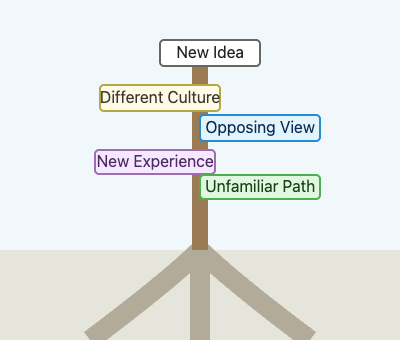
You can develop this trait by intentionally exposing yourself to ideas, stories, and people very different from what you’re used to—whether that’s through traveling, working with colleagues from new backgrounds, or even reading fiction that immerses you in a different worldview. The goal isn’t to agree with every new perspective, but to understand it on its own terms. When you encounter a belief that conflicts with yours, set aside the instinct to find flaws and instead ask, "What are the reasons this makes sense to someone else? What might I be missing?"
This willingness to step outside your comfort zone makes you more adaptable, creative, and better equipped to solve complex problems. Leaders and teams who practice this kind of curiosity spot blind spots faster and build stronger solutions because they draw from a richer pool of ideas. The habit to cultivate is simple: when you meet a viewpoint that’s different from your own, lean in and explore before you explain or defend.
Revise Beliefs Thoughtfully 🔄
The final component of intellectual humility is the willingness to revise your viewpoint when evidence warrants it. This sounds simple, but in practice it requires navigating a difficult tension: you want to be responsive to new information without becoming a pushover who abandons positions at the first sign of disagreement.
When you receive contradictory information, watch out for two patterns:
- Digging in defensively
- Abandoning your stance just to avoid discomfort.
Neither leads to better thinking. Instead, ask: What would it take, specifically, for this new evidence to change my view? Does it meet that bar? If the answer is yes, update your position and say so. This models intellectual maturity and creates an environment where everyone feels safe to learn and adapt.
You can also improve this skill by developing habits that encourage greater objectivity, such as practicing mindfulness. Mindfulness involves paying attention to your thoughts and reactions in the moment, which helps you notice when your ego is getting involved or when you start reacting defensively. Another way to build this muscle is by seeking out frameworks or models that challenge your usual way of thinking, prompting you to see situations from fresh angles. While these approaches require consistent practice and won’t lead to overnight change, they gradually make it easier to hold your beliefs with both confidence and flexibility. This means you can advocate for your ideas when you have evidence, but still remain open and willing to adjust your position if new information comes to light.
Building true open-mindedness means separating your ego from your ideas, actively exploring other perspectives, and being willing to revise your beliefs based on what you learn. In the next activities, you’ll practice noticing when ego sneaks into a conversation, actively seeking out new perspectives, and changing your mind thoughtfully in response to real-world feedback.
