Recharging for Resilience
Don't Endure; Recharge 🔋
Resilience isn’t about pushing through exhaustion or working harder; it’s about knowing when and how to recover. If you’ve ever skipped lunch, worked late, or powered through stress thinking it would make you stronger, you’re not alone. But experts Shawn Achor and Michelle Gielan, in the HBR Guide to Emotional Intelligence, show that this “tough it out” mindset actually undermines your resilience. True resilience is about bouncing back, not just enduring.
We’re taught to admire people who never stop: students pulling all-nighters, employees who never take sick days, athletes who play through pain. But research tells a different story: resilience is the ability to recover and return to balance, not just to endure. Without recovery, you don’t just risk burnout; you guarantee it. Think of resilience like a rubber band: it can stretch far, but only if it returns to its resting state between stretches. If you never let it relax, it snaps.
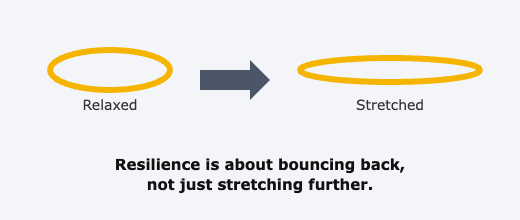
This means that building resilience is less about how much you can withstand and more about how well you can restore yourself after challenges. The most resilient people aren’t those who never get tired or stressed—they’re the ones who recognize when they’re depleted and take intentional steps to recharge. By making recovery a regular part of your routine, you not only protect yourself from burnout but also ensure you have the energy and clarity to face future challenges with strength and flexibility.
Rest vs. Recovery: Why Stopping Isn’t Enough 🛌
Stopping work doesn’t automatically mean you’re recovering. Let's take a closer look at the difference between rest and recovery:
- Rest is simply pausing from work or effort, but it doesn’t always restore your energy. For example, you might be sitting on the couch, scrolling your phone, or letting your mind wander to work worries.
- Recovery is different: it’s when you intentionally do something that helps your mind and body return to balance. Activities like taking a walk in nature, engaging in a hobby, or having a meaningful conversation can leave you feeling genuinely refreshed and recharged.
For instance, you might lie in bed for eight hours, but if your mind is racing with work worries, you’re resting but not recovering. The same goes for a weekend spent on the couch while still checking emails or feeling guilty about not being productive. True recovery means fully disengaging from work and doing something that restores you—like cooking, hiking, or playing with your kids.
A good question to ask yourself is: “Am I fully present in this moment, or is part of my mind still at work?” If you’re mentally composing emails during yoga, you’re resting your body but not recovering your mind.
Let’s look at a conversation about recharging in the workplace:
- Chris: I used to think resilience meant just pushing through, but I always ended up exhausted.
- Nina: Same here. I learned it’s more about how well you recover, not just how much you can take.
- Chris: Sometimes I “rest” but my mind’s still on work—like checking emails while watching TV.
- Nina: That’s rest, not real recovery. Doing something that fully absorbs you makes a big difference.
- Chris: So, real resilience is about making time to recharge, not just enduring.
- Nina: Exactly! The more I recover, the better I handle stress.
Their conversation highlights that resilience isn’t about nonstop effort, but about intentionally making space to recover so you can bounce back stronger.
There are two types of recovery:
- Internal recovery: Short breaks during your workday, such as a five-minute walk, deep breathing, or eating lunch away from your desk. These micro-breaks prevent stress from piling up.
- External recovery: Time outside of work—weekends, evenings, vacations—when you fully disconnect from work thoughts and do something that brings you joy or peace.
The activity itself matters less than your mental state. Watching TV can be recovery if it fully absorbs you and makes you happy, but it’s just rest if you’re also checking work emails.
Four Research-Backed Ways to Recharge and Prevent Burnout 🧘♀️
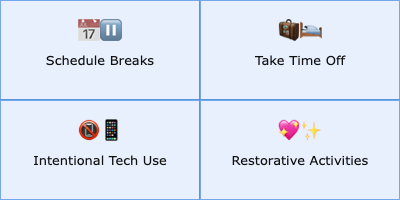
Here are four practical, research-backed strategies you can start using right away to help you recharge and prevent burnout. Try experimenting with each one to discover what works best for you and your lifestyle.
-
Schedule Breaks Like You Schedule Work
Don’t leave your breaks up to chance. Proactively block out time in your calendar for breaks, lunch, and transitions between work and home. Treat these moments as non-negotiable, just like you would an important meeting or deadline. By making recovery a regular, scheduled part of your day, you signal to yourself—and others—that your well-being is a priority, not an afterthought. -
Take All Your Time Off (and Really Disconnect)
Make it a point to use your vacation days and personal time. When you’re off, truly disconnect: set an out-of-office message, log out of work apps, and let colleagues know you’ll only be reachable for true emergencies. This not only gives you the space to recharge, but also sets a healthy example for your team and helps create a culture where rest is respected and encouraged. -
Use Technology Intentionally
Technology can be both a help and a hindrance to recovery. Set boundaries by designating tech-free times, such as during meals or before bed. Use apps to monitor your screen time and schedule “airplane mode” periods to minimize distractions. Research shows that taking a short break every 90 minutes aligns with your brain’s natural rhythms, helping you stay focused and energized throughout the day. -
Choose Activities That Truly Restore You
Recovery looks different for everyone. Pay attention to which activities leave you feeling refreshed and recharged—whether it’s calling a friend, cooking, running, meditating, or something else entirely. The key is to choose activities that fully engage you and bring you joy or peace. Afterward, notice how you feel and adjust your routine to include more of what works best for you.
The paradox: the more you prioritize recovery, the more resilient and high-performing you become.
Resilience isn’t about how much you can endure, but about how well you can restore yourself after challenges. By understanding the difference between rest and recovery, and by making space for true recovery in your daily routine, you set yourself up to thrive—not just survive. In the next practices, you’ll learn how to spot the difference between rest and recovery in your own life, design personalized recovery strategies, and put these ideas into action so you can recharge and build lasting resilience.
