Dealing with Incompetent Bosses
Dealing with an Incompetent Boss ⚠️
Working for an incompetent boss can feel like navigating through a maze blindfolded. You're constantly second-guessing decisions, fixing mistakes that shouldn't have happened, and watching opportunities slip away due to poor leadership. While we all complain about our bosses occasionally, there's a distinct difference between typical workplace frustrations and the paralyzing reality of working for someone who truly lacks the skills to lead effectively.
In the HBR Guide to Managing Up and Across, Amy Gallo shares that this challenge is more common than you might think, as too many companies promote people for the wrong reasons—whether it's tenure, technical expertise without management skills, or simply filling a vacancy quickly. The key is learning to manage around your boss's deficiencies while protecting your own career trajectory and wellbeing.
Seek Support From Others 🫂
When you're dealing with an incompetent boss, isolation is your enemy. Your first instinct might be to handle the situation alone, either out of loyalty, fear of appearing disloyal, or concern about professional reputation. However, seeking support from trusted colleagues or mentors is critical to navigating this situation.
Here are a few considerations:
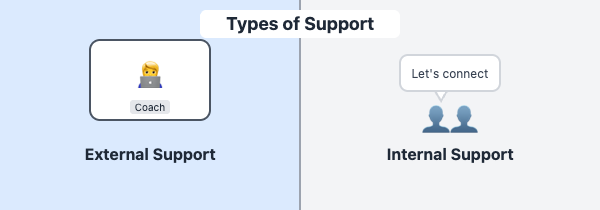
- Look to external people outside the organization. People outside the situation can give you fresh ideas or offer new coping strategies. This could involve seeking advice or just finding a safe place to vent respectfully. This could be a former colleague, a friend, or a formal coach. External coaches can be particularly valuable because they have no stake in your organization's politics.
- Find internal confidants inside the organization. Trusted colleagues or mentors can help you gain perspective and develop coping strategies. This isn't about conspiring against your boss. You need to identify confidants who can provide objective insights and practical guidance. A mentor outside your department can offer additional perspective on whether what you're experiencing is truly incompetence or perhaps a different management style you haven't encountered before.
Here's how a productive conversation might unfold with a trusted colleague:
- Victoria: Dan, do you have a few minutes? I need some advice about working with my boss.
- Dan: Sure, what's going on?
- Victoria: Well, yesterday he approved our Q3 budget in the morning meeting, then in the afternoon he seemed completely surprised when I mentioned the resources we'd discussed. This keeps happening with different decisions.
- Dan: That sounds frustrating. Have you tried documenting decisions in follow-up emails?
- Victoria: Not consistently. How do you handle it?
- Dan: After every meeting with him, I send a summary email within an hour listing what we decided and what the next steps are. I ask him to confirm or correct anything I misunderstood. It's saved me from so much rework.
- Victoria: That's really practical. Does he ever push back on all the documentation?
- Dan: Actually, he seems to appreciate it. I think he uses my summaries to keep track of things himself.
Notice how Victoria focuses on specific behaviors rather than attacking her boss's character, and Dan responds with practical strategies rather than joining in complaints. This type of conversation helps you gain valuable coping mechanisms while maintaining professionalism.
Develop Yourself Independently Through Self-Direction 🧭
One of the most damaging aspects of working for an incompetent boss is the lack of clear direction and development support. Your boss might be unable or unwilling to provide concrete job descriptions, set meaningful goals, or offer the feedback essential for professional growth. Rather than letting this stall your career, you can take control of your own development through proactive self-management.
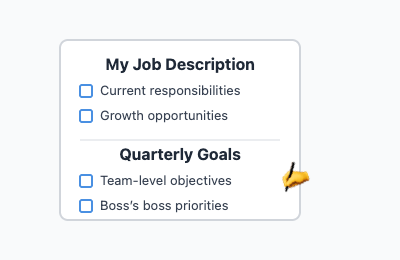
- Write your own job description. When crafting the description, be comprehensive and strategic. Include not just your current responsibilities but also areas where you see opportunities for growth and value creation.
- Document your goals for the quarter. When setting your own goals, align them with organizational objectives your boss's boss cares about.
The key to success with this approach is presenting these documents as helpful rather than confrontational. Many incompetent bosses, overwhelmed and aware of their shortcomings at some level, will be relieved that you've taken initiative. They'll likely approve your proposals with minimal changes because reviewing is far easier than creating from scratch. Additionally, this approach creates a paper trail documenting your contributions and goals, which becomes invaluable during performance reviews or if you need to demonstrate your value to others in the organization. You're essentially managing up by making your boss's incompetence less of a barrier to your own success.
Protect Your Wellbeing 💖
Working for an incompetent boss can be emotionally and physically draining. The constant frustration, rework, and lack of direction can lead to burnout, cynicism, and even health problems. However, protecting your wellbeing doesn't mean simply enduring the situation—it means actively creating boundaries and finding alternative sources of satisfaction and growth. To maintain your sanity and professional growth, focus on what you can control rather than dwelling on your boss's failures.
Identify aspects of your job that bring satisfaction. Perhaps it's the relationships with your team members, the technical challenges you solve, or the customers you serve.
Take on cross-functional projects. This can reduce your dependence on your boss while expanding your network and visibility.
Use humor as a coping mechanism. This doesn't mean mocking your boss publicly, but rather sharing lighter moments with trusted colleagues who understand the context.
In your upcoming role-play sessions, you'll practice seeking support from colleagues without appearing unprofessional, develop strategies for creating your own structure and goals, and learn techniques for maintaining wellbeing while navigating incompetent leadership. These scenarios will help you build the resilience and skills needed to thrive despite management challenges.
