Practice Authenticity and Integrity
Be Real and Honest 💎
Having developed empathy to understand and connect with your teammates, you're now ready to deepen those relationships through authenticity and integrity. Being yourself helps you build real connections with your teammates. This doesn’t mean you have to share everything about your personal life or act the same way you do with close friends. It just means being honest about what you know, what you need help with, and what you care about. When you’re real, people know they can trust you.
A simple way to practice this is to use the "Know, Show, Grow" approach:
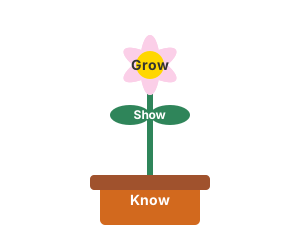
- Know: Be aware of your own strengths, limits, and values. For example, you might notice, “I’m good at organizing, but I need help with presentations.”
- Show: Be open and honest about what you know and what you need. For instance, you could say, “I’m not sure how to use this new tool yet—can someone walk me through it?”
- Grow: Use feedback and experiences to improve, and keep showing up as your real self. Like “Thanks for the feedback on my report. I’ll use your tips next time.”
It’s also important to be consistent—try to show up as the same person every day, whether things are going well or not. If you’re friendly and helpful on Monday, but quiet and distant on Friday, it can be hard for others to know what to expect from you. When you’re steady and reliable, your teammates feel safe coming to you with questions or problems, and that helps everyone work better together.
When you practice "Know, Show, Grow," you build genuine relationships where everyone feels respected and included. Over time, your teammates will feel comfortable being honest with you, too, and your team will become stronger and more connected.
🚦 Respect Your Own Boundaries and Others’ Too
Everyone has things that are important to them—like needing quiet time to focus, or not working late unless it’s urgent. It’s good to let your team know what helps you do your best work, and to listen when they share what matters to them.
Being authentic means sticking to what’s important to you, while also making space for others to do the same, even if their needs or values are different from yours. This can actually make your team stronger, because you learn more about each other and find new ways to work together. When you’re clear about your own boundaries, you show others it’s okay for them to share theirs, too. It’s just as important to listen and respect what matters to your teammates, especially if it’s not the same as what matters to you. If someone likes to avoid conflict, for example, it might be because they value harmony. You don’t have to change who you are, but you can try to meet in the middle so everyone feels comfortable.
Here’s how a simple conversation about boundaries and honesty might sound:
- Dan: Hey Natalie, I wanted to let you know I need a little extra time to double-check my work before I send it over.
- Natalie: Thanks for telling me, Dan. I like to review things quickly, but I understand that double-checking helps you feel confident.
- Dan: Maybe we can set a deadline that gives us both enough time?
- Natalie: That sounds good! I’ll make sure to send you things earlier so you have time to review.
In this conversation, Dan and Natalie are honest about what they need and work together to find a solution that respects both of their boundaries. By talking openly and listening to each other, they build trust and make it easier to get their work done well.
Help Your Team Be Open and Supportive 🫶
When being authentic is something the whole team values—not just one or two people—working together gets a lot easier and more enjoyable. Instead of worrying about looking perfect, everyone can focus on doing their best work and helping each other out. You can help build this kind of team by being open yourself and encouraging others to do the same in everyday conversations.
A great way to start is by making it normal to talk about what you’re learning, not just what you already know. When you share that you’re still figuring things out, it helps others feel comfortable doing the same. This creates a team where it’s safe to ask questions, admit mistakes, and try new things.
If you’re not sure about something, you can say, “I’m still learning this part. Can someone help me out?” Or if a teammate admits they made a mistake, you can say, “Thanks for letting us know. Let’s figure out how to fix it together.” When someone shares a new idea or a different opinion, try saying, “That’s interesting, can you tell me more?” These small actions show everyone that it’s okay to be real and to learn as you go.
By being real, respecting boundaries, and supporting each other, your team will build trust and work better together. When everyone feels safe to be themselves, it’s easier to share ideas, ask for help, and solve problems as a group. Over time, these habits help your team become more creative, flexible, and ready to handle challenges together. In the next activities, you’ll get to practice these skills in real-life situations and see how changes can make your team stronger, more connected, and a better place for everyone.
