Track Progress Toward Team Goals
Keep Track of Team Goals Together 📊
Once your team has set clear goals, it’s important to keep everyone moving in the same direction. Tracking progress isn’t about watching over people’s shoulders—it’s about making sure everyone knows how things are going and what needs attention. When you can see your progress, it’s easier to stay motivated and work together to solve problems.
Think about a time when you worked on something but weren’t sure if you were making progress. It can feel confusing or even stressful. Teams feel the same way if they don’t know how close they are to reaching their goals. That’s why it helps to check in regularly. A simple way to do this is by using a traffic light system:
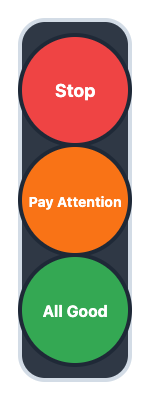
- Red: Something is off. Stop and figure out what needs to change.
- Yellow: There are some small issues—pay attention and see if you need to adjust.
- Green: Everything is on track. Keep going!
For example, your team might use a shared chart or a quick daily check-in where everyone says if their part is green, yellow, or red. If someone says “yellow” or “red,” the team knows to look more closely and talk about what’s happening. This makes it easy for everyone to see how things are going and spot problems early.
💡 Use Data and Reflection to Make Smart Adjustments
Looking at the facts helps your team understand what’s really happening. Data can be simple, like how many tasks are finished, how many are left, or how long something took. After you check the numbers, take a moment to talk about what they really mean. This is called reflection.
For example, if your team planned to finish five tasks this week but only finished three, you can ask, “Why did this happen?” Maybe one task was harder than expected, or maybe someone was out sick. By talking about it together, you can decide what to do next, like changing your plan or asking for help. The goal is to use what you learn to make small changes and keep moving forward.
Here’s how a productive data reflection might sound:
- Jake: We finished three out of five tasks this week. What slowed us down?
- Milo: The research part took longer than we thought.
- Jake: Should we plan more time for research next week?
- Milo: Yes, that would help.
Notice how Jake makes it easy to talk honestly about what happened and Milo feels comfortable sharing the real reason. Together they find a simple way to improve for next time.
After your team talks about what the data means, it’s time to decide what to do next. You don’t need to make big changes every time—just small adjustments based on what you’ve learned. For example, if you notice you’re finishing tasks but the quality isn’t as high as you want, you might add a quick review step. If you’re doing great work but not getting enough done, maybe you can find a way to make some steps simpler.
It helps to make these decisions together, so everyone understands and agrees on the plan. You can set aside a little time each week to look at your progress, talk about what’s working or not, and choose one thing to try for the next week. You might ask, “What is this data telling us?” or _“If we keep going like this, will we reach our goal?” Doing this regularly helps your team stay flexible and ready to adjust when things change.
Share Progress Updates Openly 📣
Keeping everyone informed is key to working well as a team. Make it a habit to share updates in a way that’s easy for everyone to understand. This helps everyone know what’s happening, reduces confusion, and builds trust. Sharing updates doesn’t have to be complicated—just make sure the information is clear and honest, even if things aren’t going perfectly.
There are many simple ways to share progress updates, such as:
- Posting a quick message in a group chat
- Updating a shared document or spreadsheet that everyone can see
- Giving a short update at the beginning or end of a team meeting
- Sending a regular email summary to the group
- Using a simple visual, like a progress bar or traffic light system, to show how things are going
For example, you might say, “We are over the halfway mark of our project. We’re a little behind our plan, but we know what’s left to do.” If someone has questions about the update, encourage them to ask. Open communication helps everyone feel included and makes it easier to work together toward your goal. When everyone knows what’s happening, it’s easier to stay aligned and support each other.
By checking in on your goals, using data and reflection to make small adjustments, and sharing updates openly, your team can stay connected and on track. These simple habits help everyone know where things stand and what to focus on next. As you move forward, try using the traffic light system and regular check-ins with your team. In the next activity, you’ll get a chance to practice these skills and see how they can make a difference in real team situations.
