Understand How Bias Can Change Outcomes
How Bias Changes What You Notice and What You Miss 🔦
Your brain is always taking in more information than you can handle at once. To help you focus, your mind uses something called the spotlight effect. This means your attention is like a spotlight on a stage—it shines on certain things and leaves others in the dark. But here’s the catch: bias often controls where that spotlight points, sometimes without you even realizing it.
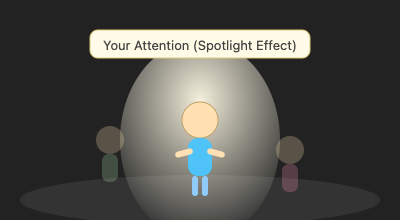
For example, if you believe, “People who are quiet in meetings aren’t interested,” your spotlight will keep shining on the quiet people, making you notice every time they don’t speak up. At the same time, you might miss the moments when those same people share great ideas in smaller groups or by email, because your spotlight isn’t looking for those moments. You end up missing important information just because it doesn’t fit what you expected.
Bias can also move your spotlight toward things that happened recently or things that are easy to remember. If you just heard about a friend getting sick from eating out, your spotlight might suddenly focus on every story about restaurant problems, making you feel like eating out is risky—even though it’s usually safe. Your mind remembers the dramatic story and forgets all the times nothing bad happened.
The tricky part is that you often don’t notice what your spotlight is missing. If you believe, “Only outgoing people make good leaders,” your spotlight might never land on the quiet leaders who do a great job. This means your choices are based on only part of the picture, and you might miss out on valuable ideas or people.
⚖️ When Bias Steers You the Wrong Way
When bias shapes your decisions, it can lead to results that aren’t fair or don’t work well. If you make choices based on only what you notice (and ignore the rest), you might leave out good ideas or treat people unfairly.
For instance, if you think, “People who are always early are more responsible,” you might only trust those who arrive first and ignore good ideas from others who show up later. You could miss out on helpful suggestions just because of your first impression.
Or, if you believe, “Group projects never work well,” you might avoid giving group work a real chance, even if some groups could do a great job. This could make people feel left out or stop them from working together in new ways.
Bias can also affect how you react to mistakes. If you believe, “People who make a mistake aren’t careful,” you might overlook all the times someone did things well and focus only on their errors. This could lead to unfair judgments and missed opportunities to support or encourage them.
Here’s a conversation that shows how bias can affect decisions:
- Natalie: I think we should only ask the experienced team members for ideas on the new project. They’ve been here the longest, so they probably know best.
- Marcus: I see what you mean, but I’m not sure that’s always true. Sometimes new people have fresh ideas we haven’t thought of.
- Natalie: I guess I just notice the experienced people speaking up more, so I assume they have the best suggestions.
- Marcus: Maybe we’re missing out by not asking everyone. What if we try getting ideas from everyone this time? We might be surprised by what we hear.
This conversation shows how bias can shape what you notice and how being open to other viewpoints can lead to better results.
Say How Sure You Are and What You Might Be Missing 🤔
One way to fight bias is to be honest about how sure you are and what you might not know. Instead of saying, “I know this is right,” try saying, “I’m pretty sure, but I could be missing something.” This helps you—and others—see where bias might sneak in.
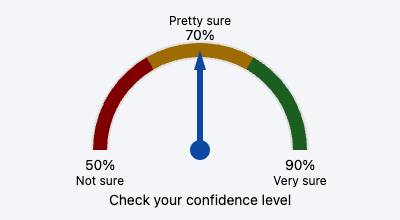
You can use a simple scale:
- “I’m very sure” (about 90% confident)
- “I think so, but I could be wrong” (about 70% confident)
- “I’m not sure at all” (about 50% confident)
You might say, “I’m about 70% sure that people like the new schedule, but I could be wrong if I haven’t heard from everyone.” Or, “I’m very sure this plan will work, unless there’s something I haven’t thought of.”
If someone asks you, “How confident are you?” or “What could make you wrong?” take a moment to think. Maybe you realize you’ve only talked to a few people, or you’re remembering one bad experience and ignoring the good ones.
By saying how sure you are and what you might be missing, you make it easier for others to share new information. This helps you make better choices and avoid mistakes caused by bias.
Through the upcoming writing exercises and roleplay conversation, you'll have the opportunity to practice these crucial skills—explaining how bias shapes perception and choice, identifying how biased conclusions create unfair outcomes, and developing the habit of stating your confidence levels while acknowledging what you might be wrong about. These practical applications will help you move from understanding bias as a concept to managing it as a daily practice that improves your decisions and their outcomes.
